
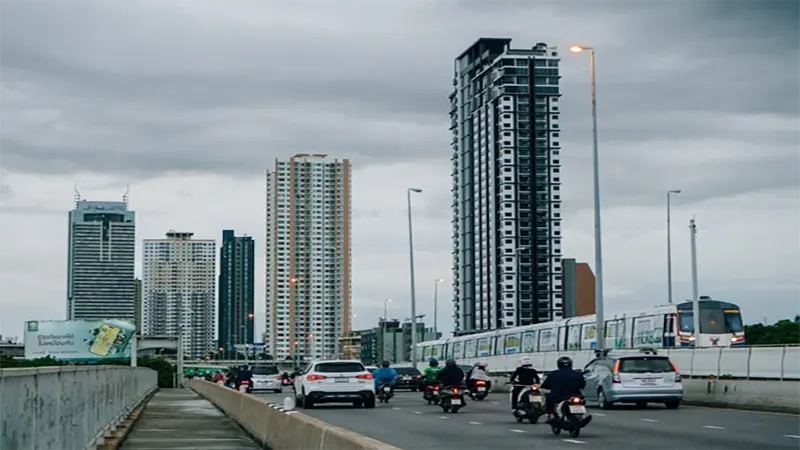
Most people check the price first and the commute last. That order costs them later. A home sits at the end of a daily route, and the route either works or it wears you down. Let us look at the links around Linktown Residences and what they mean for real days.
Transit is more than a train line on a map. It is the bus that turns up on time, the lift that works, the path that stays dry. We will cover six parts of it here. Some are obvious, a few are easy to miss. Read on, and bring a pen.
Train Lines Shape Daily Life
A rail link is the spine of any good commute. Check which line serves the area and where it takes you. Does it reach your office, or only close to it? A transfer adds minutes and a little stress, so count it. Fewer changes usually means a calmer morning.
Frequency counts as much as location. A train every three minutes feels different from one every ten. Look at the first and last services too, since late nights out should not end in a pricey taxi. Lentor Signature buyers may want to test this at peak hours, not just on a quiet Sunday.
Bus Routes Fill the Gaps
Trains get the praise, but buses do the quiet work. They reach corners the rail map skips. A few well placed routes can link a home to schools, markets, and clinics without a single transfer. Check how many services stop nearby and where each one ends.
Walk to the stop and watch for ten minutes. How full are the buses? Is there a real shelter, with a seat? Small points, yes, but you will use that stop hundreds of times. Real-time arrival boards help a lot too, because waiting feels shorter when you know the number.
Walking From Door to Platform
Distance on a map lies a little. Real time depends on crossings, slopes, and weather. A five minute walk can stretch to nine if you wait at two junctions. Time it yourself, once in sun and once in rain, and write both numbers down.
Covered walkways make a huge gap. They turn a damp slog into a pleasant stroll. Look for ramps, wide gates, and clear signs as well. Parents with prams and older relatives notice these at once. If the link is tiring, people stop using it, and the car creeps back in.
Road Access for Drivers
Not everyone gives up the wheel, and that is fine. Look at the nearest expressway entrance and how traffic flows at rush hour. A road that looks short can crawl for twenty minutes. Test it on a weekday morning, coffee in hand, and see how you feel.
Ride-hailing and school buses need space to stop. Check whether the drop-off area is easy to reach. Parking matters too, both for you and for guests. A smooth road link lets a household mix methods, train on Monday, car on Saturday. That flexibility is worth real money over the years.
Future Links and Planned Growth
Cities keep building. A new station or road upgrade can change an area within a few years. Read official plans before you decide, and note the opening dates. Delays happen, so treat targets as hopeful rather than certain.
Growth cuts both ways, though. Construction brings noise and dust for a while, then convenience for a long time. Ask yourself which side you can live with. Many owners accept a few rough years for a stronger link later. Others prefer calm now. Neither choice is wrong, just personal.
Jobs, Schools, and Weekend Trips
Transit only matters if it goes where you go. List your own destinations, the office, the school run, your parents’ place. Then trace each route and time it. Three or four trips tell you more than any brochure does.
Weekends deserve a test too. Malls, parks, and the airport all pull at different hours. A home that suits Monday but strains on Saturday can wear on a family. Aim for a spot where both feel easy. Ordinary days make up most of life, after all.
Conclusion
Strong transit is a mix of trains, buses, safe walks, and decent roads, all tested by real trips. A map starts the story but never finishes it. Both sites deserve a visit, so go on a weekday, at rush hour, with an open mind.
Time every route and note what annoys you. Small irritations grow over years. Compare your notes with the points above, then trust your own experience. The best address is one where getting around feels easy, even on a bad day.

