How to Design Breathable Building Envelopes for Climate-Responsive Passive Cooling

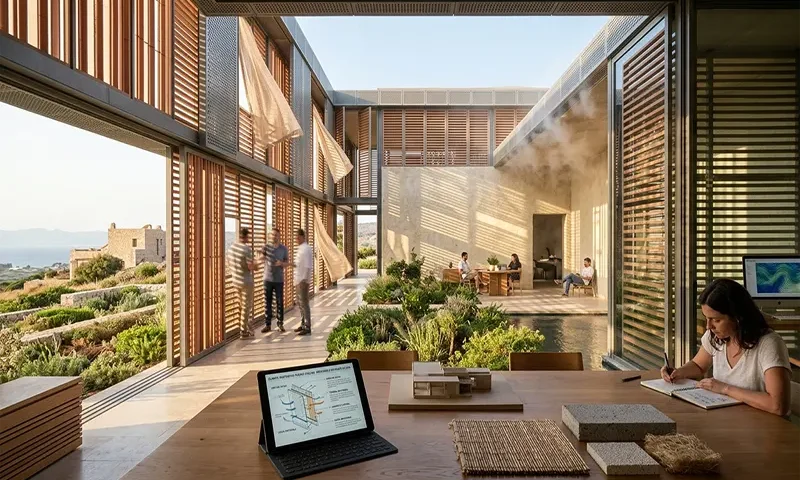
In the quest for net-zero construction, the industry has long obsessed over the “sealed thermos” approach—creating hyper-insulated, airtight envelopes. While effective for heating-dominated climates, this strategy often leads to overheating and poor indoor air quality in warmer, humid, or cooling-dominated regions.

The modern solution lies in the breathable building envelope: a design philosophy that treats the building skin not as a static barrier, but as a dynamic, climate-responsive filter. By mastering the interplay of vapor permeability, thermal mass, and natural convection, architects can achieve significant passive cooling and long-term structural durability.

The Physics of Breathability: Beyond the “Leaky” Envelope

There is a fundamental technical distinction between a “leaky” building—which suffers from uncontrolled infiltration and energy loss—and a “breathable” building.

A breathable envelope is airtight but vapor-permeable. It prevents unwanted drafts and air leakage while allowing moisture vapor to migrate through the assembly. This “hygrothermal” performance is essential; it … READ MORE ...

How Cities Are Incentivizing Commercial Office-to-Residential Conversions

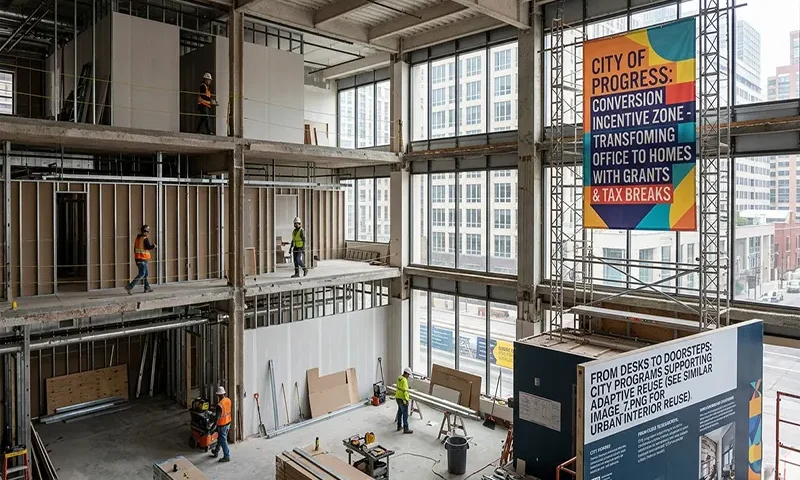
The urban landscape is currently defined by a “double crisis.” Across North America and Europe, central business districts are grappling with record-high commercial office vacancies—a structural shift accelerated by the permanent adoption of hybrid and remote work. Simultaneously, these same cities are facing a crippling housing shortage. Adaptive reuse, the process of converting obsolete office buildings into residential apartments, has emerged as the most viable strategy to bridge this gap, yet it is fraught with technical and financial complexity.

To turn ghost offices into vibrant living spaces, cities are moving beyond mere encouragement; they are creating sophisticated, multi-layered incentive toolboxes to de-risk these projects and stimulate private investment.

The Technical and Financial Hurdles

Adaptive reuse is rarely a simple “plug and play” scenario. Office buildings were designed for high-density, daytime-only occupancy, whereas residential buildings require 24/7 infrastructure. Key hurdles include:

  • Floor Plate Depth: Large office floor plates often result in
READ MORE ...
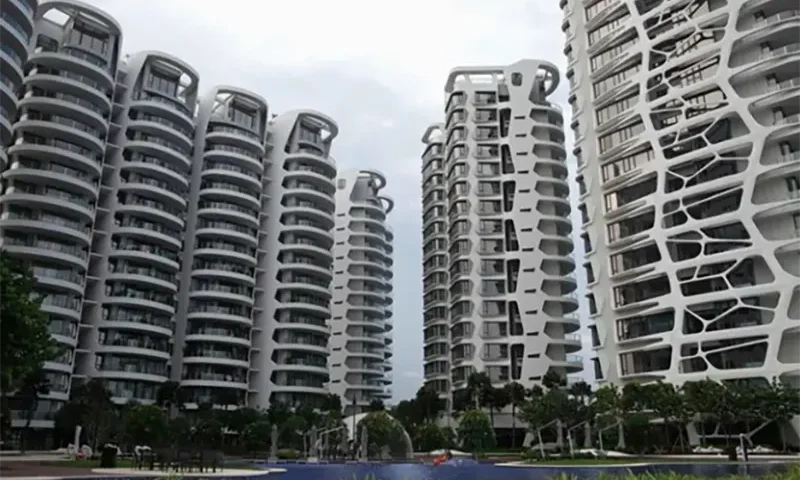
Cape Royale Singapore Address Known for Private Waterfront Comfort

A calm home near the sea feels rare in a busy city. Cape Royale sits in a quiet part of Sentosa where life moves more slowly. The address itself draws attention because it offers peace, views, and space. Tall towers face the marina and wide sky. From many homes, you can see boats drift by. It feels private yet still close to the city. People often come here for calm days and soft sea air.

A Location That Feels Private Yet Connected

The address of Cape Royale sits within Sentosa Cove, one of the most peaceful waterfront zones in Singapore. Roads feel open and clean. The marina nearby brings a calm mood to daily life. Residents can walk near the water or simply watch the boats glide past. Even though it feels far from the noise, the city center is still easy to reach. This balance of quiet space and … READ MORE ...

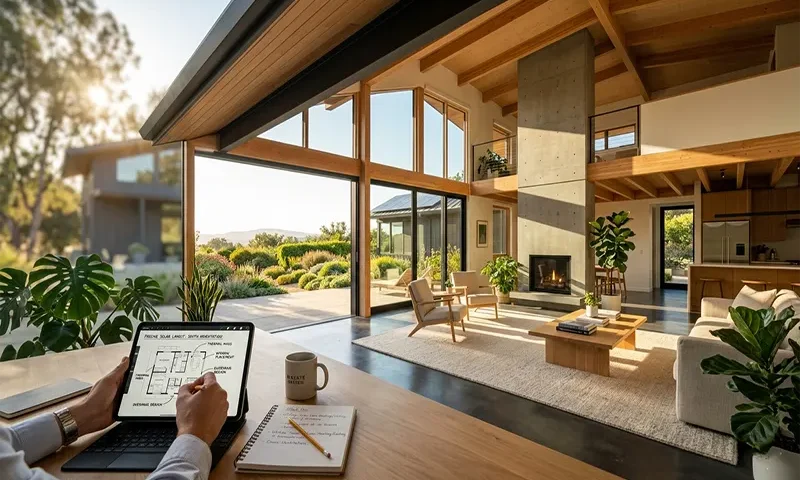
How to Design a Passive Solar Home Layout to Lower Utility Bills

In an era where energy prices are volatile and climate resilience is a priority, the most effective “technology” for home comfort is often the oldest one: the sun. Passive solar design is the practice of positioning and constructing a home to capture, store, and distribute solar energy as heat in the winter while rejecting it in the summer, all without the use of complex mechanical systems or active solar panels.

By integrating passive solar principles into your home layout, you can drastically reduce reliance on HVAC systems, leading to significantly lower utility bills and a more comfortable, stable indoor environment.

The Five Core Elements of Passive Solar Design

To transform a house into a functional solar collector, five specific elements must work in harmony:

  1. Aperture (Glazing): Large, south-facing windows act as the “intake” for solar energy. These windows allow low-angle winter sun to enter and warm the home.
  2. Absorption (Thermal
READ MORE ...
Best Tools to Calculate Embodied Carbon Footprint in Sustainable Building Materials

The global construction industry is responsible for nearly 40% of energy-related carbon emissions. While operational carbon—the energy used to heat, cool, and power a building—has long been the focus of efficiency mandates, embodied carbon is now taking center stage. Embodied carbon represents the total greenhouse gas emissions associated with the materials and construction processes throughout a building’s entire life cycle.

As the industry pivots toward net-zero targets, architects, engineers, and project managers require precise, data-driven tools to measure these impacts. This article explores the leading software solutions designed to quantify embodied carbon, enabling more sustainable material selection.

The Importance of Lifecycle Assessment (LCA)

Whole-building lifecycle assessment (WBLCA) is the gold standard for measuring environmental impact. It evaluates a structure from cradle-to-grave, encompassing:

  • A1–A3 (Upfront Carbon): Raw material extraction, transportation, and manufacturing.
  • A4–A5: Transport to site and the construction process.
  • B1–B5: Use, maintenance, and repair.
  • C1–C4: Deconstruction and end-of-life disposal.
READ MORE ...