
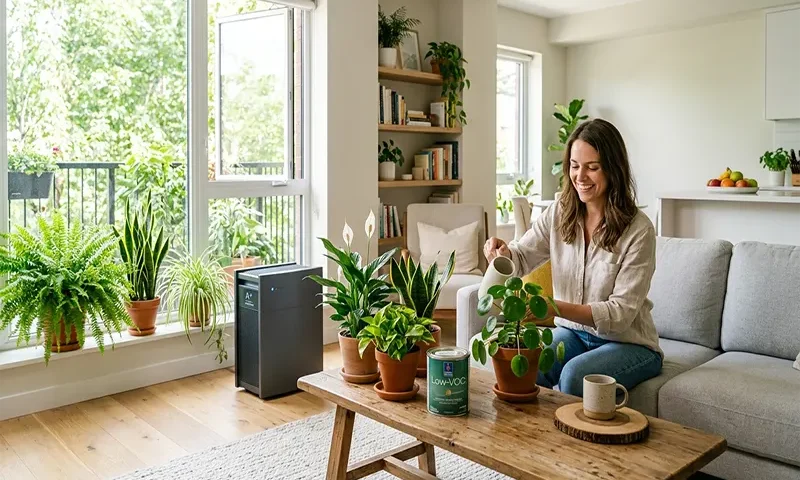
In our modern, tightly sealed homes designed for energy efficiency, the quality of the air we breathe has become more important than ever. While we often focus on outdoor air pollution, the reality is that the concentration of pollutants inside our homes can be two to five times higher than outside. A significant portion of this pollution comes from Volatile Organic Compounds (VOCs).
VOCs are a large group of chemicals that easily vaporize into the air at room temperature. They are emitted by thousands of everyday products, from the paint on your walls to the cleaning supplies under your sink. Understanding where these compounds come from and how to mitigate them is a crucial step in creating a healthier, more comfortable living environment.
Identifying Common VOC Culprits
The first step toward cleaner air is knowing what to look for. VOCs are pervasive in many common household items:
- Building Materials: Paints, varnishes, wood preservatives, and adhesives often contain high levels of formaldehyde and other solvents.
- Cleaning Supplies: Many conventional glass cleaners, floor waxes, and disinfecting sprays release gases long after the initial use.
- Furnishings: Pressed-wood products (like particleboard cabinets or cheap flooring), upholstery, and carpets can “off-gas” VOCs for months or even years after installation.
- Personal Care Products: Aerosol sprays, perfumes, and nail polish removers contribute significantly to indoor chemical loads.
Strategies for Source Control
The most effective way to improve air quality is to prevent VOCs from entering your home in the first place.
1. Choose Low-VOC or Zero-VOC Products
When renovating or decorating, always prioritize materials labeled “Low-VOC” or “Zero-VOC.” Many high-quality paint brands now offer lines specifically formulated to minimize chemical emissions, allowing you to breathe easier without sacrificing color or durability.
2. Evaluate Furnishings and Materials
When shopping for furniture, look for solid wood pieces over particleboard or MDF, as the glues used in composite wood are primary sources of formaldehyde. If you must use composite products, look for those certified as NAF (No Added Formaldehyde).
3. Rethink Your Cleaning Arsenal
Swap out harsh synthetic cleaners for non-toxic, plant-based alternatives. Simple, effective ingredients like white vinegar, baking soda, and essential oils can tackle most household cleaning tasks without introducing synthetic chemicals into your indoor air.
The Role of Ventilation and Filtration
Once you have minimized the sources, the next step is active management of your indoor atmosphere.
- Mechanical Ventilation: In modern homes, the HVAC system is your primary defense. Ensure you are using high-quality air filters, preferably those with an activated carbon layer, which is specifically designed to adsorb gaseous pollutants like VOCs, rather than just trapping dust and pollen.
- Purposeful Air Exchange: Whenever outdoor air quality permits, open windows to create cross-ventilation. Even ten minutes of fresh air exchange can drastically reduce the concentration of trapped pollutants.
- Humidity Control: Higher temperatures and humidity levels can increase the rate at which materials off-gas VOCs. Using a dehumidifier in damp areas or basements helps keep the environment stable and limits chemical release.
Biophilic Purification: A Natural Boost
While plants cannot replace proper ventilation, they do play a role in a holistic healthy home strategy. Certain houseplants, such as the Snake Plant (Sansevieria), Spider Plant, and Peace Lily, have been shown in laboratory studies to help absorb small amounts of indoor toxins. More importantly, incorporating biophilic elements reduces stress and enhances the overall psychological well-being of the home, making it a valuable addition to your air quality plan.
Quick Action Checklist for Immediate Improvements
- [ ] Purge the Cabinet: Dispose of or relocate old, half-used chemical cleaners and paints to a garage or storage shed.
- [ ] Seal Composite Wood: If you have particleboard furniture, use a low-VOC sealant to cap off exposed edges.
- [ ] Upgrade Filters: Switch your HVAC filters to high-MERV ratings with activated carbon.
- [ ] Ventilate During Projects: Always open windows when using glue, paint, or new cleaning products.
- [ ] Avoid Synthetic Fragrances: Replace chemical air fresheners with natural beeswax candles or essential oil diffusers.
Improving your indoor air quality is not about achieving perfection, but about making informed, consistent choices. By shifting toward low-VOC building materials, rethinking your cleaning habits, and prioritizing fresh air exchange, you can significantly reduce your exposure to chemical pollutants. A low-VOC home is more than just a cleaner space—it is a foundation for better respiratory health and a more comfortable life for everyone under your roof.

