Embodied Carbon Limits for Building Materials under CALGreen and IgCC Standards

As of January 1, 2026, the landscape of commercial construction in California and across the United States has shifted. The focus of sustainable design, once dominated by operational energy (the power used to light and heat a building), has turned toward Embodied Carbon—the greenhouse gas emissions “locked in” during the extraction, manufacturing, and transportation of building materials.

In California, the mandatory 2026 updates to CALGreen (Title 24, Part 11) represent the most aggressive decarbonization policy in the nation, lowering the compliance threshold to include almost all mid-sized commercial developments. Simultaneously, the International Green Construction Code (IgCC) provides the national framework for jurisdictions outside of California to adopt similar high-performance standards.

The Regulatory Landscape: The 2026 Mandate

Effective January 1, 2026, California mandates that all new non-residential construction projects (and additions/alterations) exceeding 50,000 square feet must comply with embodied carbon reduction measures. This is a significant drop from the 2024 … READ MORE ...

Modern Biophilic Home Designs for Sustainable Indoor-Outdoor Living

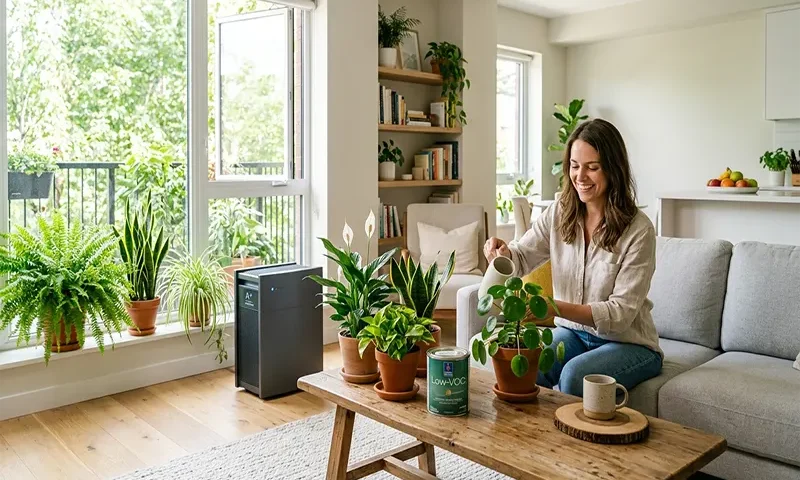
In 2026, the concept of a home has undergone a radical transformation. We have moved past the era of stark, “clinical” minimalism and entered the age of the Biological Sanctuary. Modern biophilic design is no longer just about adding a few potted plants to a room; it is an evidence-based architectural framework that treats the home as a living, breathing ecosystem. By weaving nature’s rhythms—light, texture, and organic geometry—into the very fabric of our dwellings, we are creating spaces that don’t just house us, but actively heal us.

The 2026 Biophilic Mandate: From “Decor” to “System”

The modern biophilic mandate is rooted in the psychological theory of Soft Fascination. Unlike the “hard fascination” required to navigate a digital screen or a busy city street, nature captures our attention effortlessly, allowing our directed attention reserves to replenish. In 2026, architects are using this to combat “digital fatigue” by designing … READ MORE ...

LEED v5 Building Design and Construction (BD+C) Requirements for Decarbonization Compliance

In 2026, the global real estate market has reached a critical juncture. No longer is “green building” defined simply by low-flow faucets or bike racks. With the official rollout of LEED v5, the U.S. Green Building Council (USGBC) has fundamentally recalibrated the world’s most widely used green building rating system to address the climate emergency. LEED v5 BD+C is no longer just a sustainability checklist; it is a rigorous decarbonization framework.

For the first time, Decarbonization accounts for 50% of the total available points in the system. This shift signals a transition from measuring “efficiency” to mandating “performance,” forcing project teams to account for every kilogram of carbon emitted from ground-break to the year 2050.

The 2026 Paradigm Shift: Impact-Driven Scoring

The traditional LEED categories have been reorganized under three core Impact Areas:

  • Decarbonization (50%)
  • Quality of Life (25%)
  • Ecological Conservation (25%)

This restructuring means that a … READ MORE ...

Modern Net Zero Energy House Plans with Solar Integration

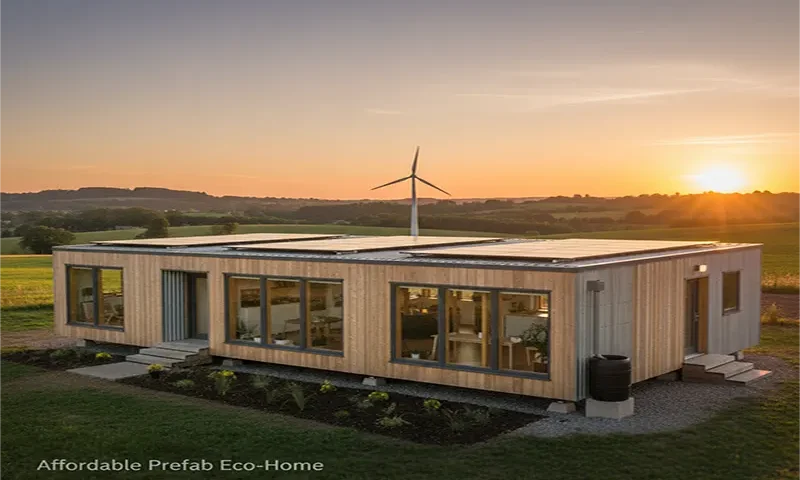
The dream of a home that gives back as much as it takes is no longer a distant vision; it’s the cutting edge of contemporary residential architecture. In 2026, the concept of a Net Zero Energy house has evolved beyond niche green building to become a benchmark for sustainable living, blending advanced technology with thoughtful design. At its core, a Net Zero home is an energy-efficient dwelling that produces as much renewable energy on-site, typically through solar power, as it consumes over the course of a year. It’s a harmonious balance, a testament to what’s possible when innovation meets ecological responsibility, promising both significant environmental benefits and long-term financial savings for homeowners.

The “Fabric First” Approach: Building an Airtight, Insulated Shell

Before any solar panel even touches the roof, the foundation of a Net Zero home lies in its “fabric first” approach. This principle prioritizes creating an exceptionally energy-efficient … READ MORE ...

6 Important Characteristics of Eco-Friendly Home

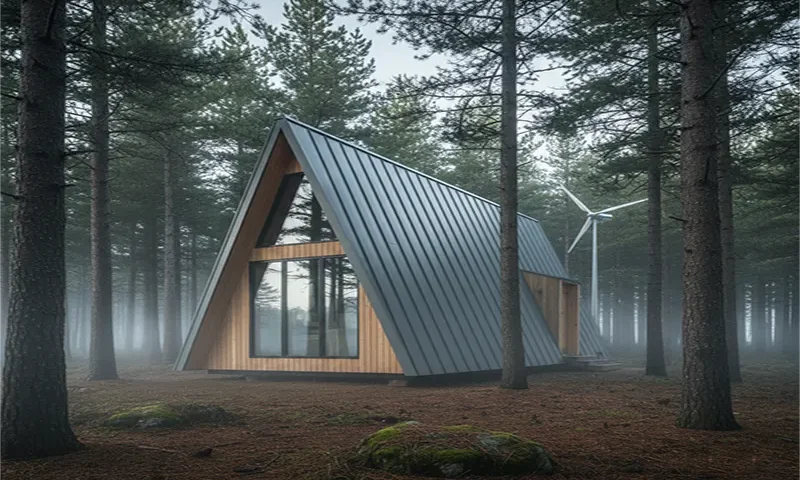
The construction of homes with environmentally friendly designs must continue to be promoted intensively, to reduce the impact of environmental damage such as global warming and climate change. If this is not done, people will build their dream home without environmentally friendly principles, as long as it looks nice and beautiful. What is the fate of the next generation who will not enjoy a natural and healthy environment?

Therefore, some of the principles that need to be known, became an important feature of a dwelling to be categorized as an environmentally friendly home. Check out the following discussion.

Being in the Right Location

A home may not be built in an area that is regulated by the local government as an industrial area, protected forest area, or in a green open area belonging to a city. Apart from that, its development must also pay attention to the prevailing land-use plan. … READ MORE ...