
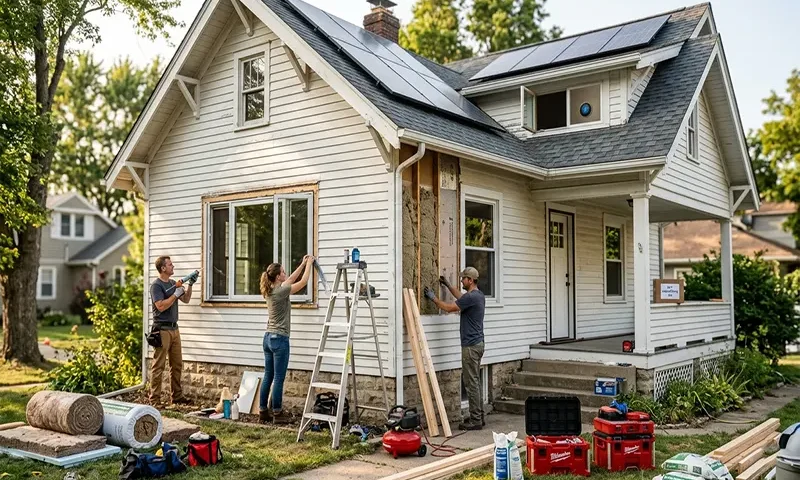
Older homes possess a unique charm and architectural character that is often impossible to replicate. However, they were rarely built with modern energy efficiency in mind. If you find yourself battling rising utility bills and fluctuating temperatures, it is time to shift your perspective from expensive equipment upgrades to a more foundational approach: the “envelope first” philosophy.
The Hierarchy of Efficiency: The “Envelope First” Philosophy
The most common mistake homeowners make is buying a high-efficiency heating or cooling system before fixing the building’s “envelope”—the physical shell of walls, roof, and windows that separates your living space from the outside.
Think of your home like a bucket. If that bucket has holes, it doesn’t matter how fast you pump water into it; it will never stay full. Most old houses are essentially “leaky buckets.” By focusing on sealing and insulating first, you reduce the heating and cooling load so significantly that when you do need a new system, you can often afford a smaller, less expensive one.
Step 1: The Invisible Savings (Air Sealing)
Air leakage is the primary culprit behind discomfort and wasted energy in historic homes. You don’t need a renovation budget to fix this; most air sealing can be done as a DIY weekend project.
- Target the Bypasses: Use a stick of incense or a damp hand to locate drafts around baseboards, window frames, electrical outlets, and where utility lines enter the house.
- Weatherstripping: Apply adhesive foam or rubber weatherstripping to doors and windows. This simple step can reduce air leakage by up to 80% around openings.
- The Chimney Plug: An open fireplace damper is like an open window in your living room. When not in use, use an inflatable chimney balloon or a simple chimney plug to stop the “stack effect,” where warm air rises and escapes out the top of your house.
Step 2: Maximizing Attic Performance
Heat rises, and in a poorly insulated house, it travels straight through your ceiling and out into the attic. Insulating the attic is arguably the highest-ROI investment you can make.
- Seal First, Insulate Second: Before adding insulation, check for “bypasses”—gaps around light fixtures, plumbing stacks, or the attic hatch. If you add insulation without sealing these, your insulation will eventually become an unintended air filter, gathering dust and losing effectiveness.
- Top Up: If your attic insulation is thin or patchy, adding more (typically cellulose or fiberglass) can dramatically slow heat transfer. Always ensure you are not blocking necessary eave vents, which are required to prevent moisture buildup.
Step 3: Low-Cost Window & Door Hacks
Full-frame window replacement is one of the most expensive and least cost-effective ways to “save” energy. Instead, preserve your original windows and treat them.
- Interior Storm Inserts: Instead of replacing sashes, look for custom-fit interior storm window inserts. These create a “dead air” space that mimics double-pane performance at a fraction of the cost.
- Thermal Window Treatments: Heavy, floor-to-ceiling thermal curtains or cellular shades can reduce heat loss by 14% to 62% when used correctly. The key is consistency: open them during sunny winter days to let the sun heat your home, and close them immediately after sunset.
Step 4: Tuning Existing Mechanicals
Before retiring an old radiator or boiler, ensure it is actually working as designed.
- Radiator Maintenance: If you have radiators, ensure they aren’t blocked by heavy furniture or curtains. Bleeding your radiators to remove trapped air can help them heat more efficiently.
- Smart Controls: Even the oldest central heating system can be made “smart.” Adding a modern programmable thermostat or smart thermostatic radiator valves (TRVs) allows you to zone your heating—only warming the rooms you are currently using.
A Phased Retrofit Roadmap
Don’t attempt everything at once. Use a phased approach to manage your budget and ensure each project complements the next:
| Phase | Focus Area | Goal |
| Year 1 | Air Sealing & Attics | Stop the “leaky bucket” effect immediately. |
| Year 2 | Window Treatments & Maintenance | Improve comfort and thermal retention. |
| Year 3 | Smart Controls & System Tuning | Optimize how your existing hardware consumes energy. |
| Year 4+ | Major Mechanical Upgrades | Replace aging equipment, now that you’ve reduced the load. |
Retrofitting an old home isn’t about erasing its history; it’s about ensuring that history has a sustainable future. By following an “envelope first” approach, you can create a home that is warmer in the winter, cooler in the summer, and significantly cheaper to run—all while preserving the character that made you fall in love with your home in the first place.
Pro-Tip: Before beginning any major insulation or mechanical project, check if your local utility provider or government offers “energy audit” programs. Many will perform a professional blower-door test for free or a subsidized rate, providing you with a customized list of where your specific home is losing the most energy.

